Humanitarian Emergency Remote Medical [H.E.R.M] First Aid
Programme Overview
Humanitarian Emergency Remote Medical [H.E.R.M] First Aid
This programme combines technical theory with rigorous practical application to ensure students can manage crises effectively when every minute counts. The curriculum is divided into six comprehensive chapters that take the learner from basic anatomical understanding to the complex management of trauma in remote settings.
The Humanitarian Emergency Remote Medical (H.E.R.M) First Aid programme is a specialized training course designed for individuals operating in environments where professional medical help may not be immediately available. Grounded in the belief that first aid is a vital humanitarian act, this course empowers members of the public and workplace responders to provide life-saving care without discrimination, fostering resilient communities worldwide.
Core Learning Modules:
The Aims of First Aid: Understanding the primary goals: preserving life, preventing further injury, and promoting recovery.
- Anatomy and Physiology: A foundational look at the human body to better understand how injuries affect vital systems.
- General Casualty Management: Mastering the "Primary Survey" and the use of the recovery position to stabilize patients.
- The Medical Casualty: Recognition and treatment of non-trauma emergencies, including shock, choking, epilepsy, and seizures.
- The Trauma Casualty: Technical skills for managing bleeding, head injuries, and other physical traumas.
- Transportation of Casualties: Safe methods for moving injured persons in remote or humanitarian environments.
Duration
- Typical Duration: 2 to 3 days of intensive training.
- Structure: Includes theoretical classroom sessions and practical "hands-on" simulations to replicate real-world humanitarian and remote emergencies.
Qualification
Type: H.E.R.M First Aid Competency Certificate.
- Alignment: Designed to meet international humanitarian standards and workplace first aid requirements.
- Assessment: Learners must pass a final theoretical test (covering the 10 key domains of shock, trauma, and medical recognition) and demonstrate practical proficiency in life-saving techniques.
Duration
Typical Duration: 2 to 3 days
Qualification
First Aid Competency Certificate
Entry Requirements
Requirements
- Academic: No formal prerequisites, though a basic level of literacy is required to complete the technical chapters and final assessment.
- Physical: Candidates must be physically capable of performing practical tasks, such as performing CPR and demonstrating casualty transportation methods.
- Aptitude: A commitment to humanitarian values and the ability to remain calm and decisive under pressure.
Career Outcomes
Potential Career Paths:
Career Outcomes
- Graduates of the H.E.R.M programme are prepared for roles where emergency response is a critical requirement:
- Humanitarian Aid Worker: Providing essential medical support in disaster zones or developing regions.
- Remote Site First Aider: Serving as the primary medical responder on remote construction, mining, or research sites.
- Workplace Health & Safety Officer: Ensuring organizational compliance and safety in high-risk industrial environments.
- Community Emergency Responder: Acting as a trained volunteer to support healthy and resilient local communities.
Interested in this Programme?
Need Help Deciding?
- Free consultation
- merSETA funding support
- Career guidance
- Facility tours available
Related Programmes
You May Also Be Interested In
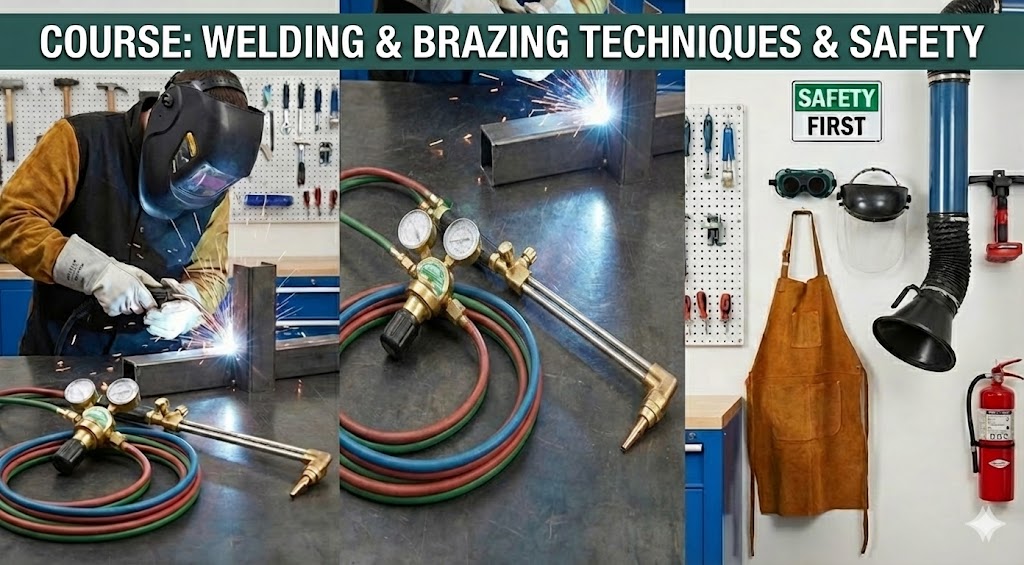
Fuse and Cut Metals

Automotive Electrical: Automotive Electrical & Electronics Systems