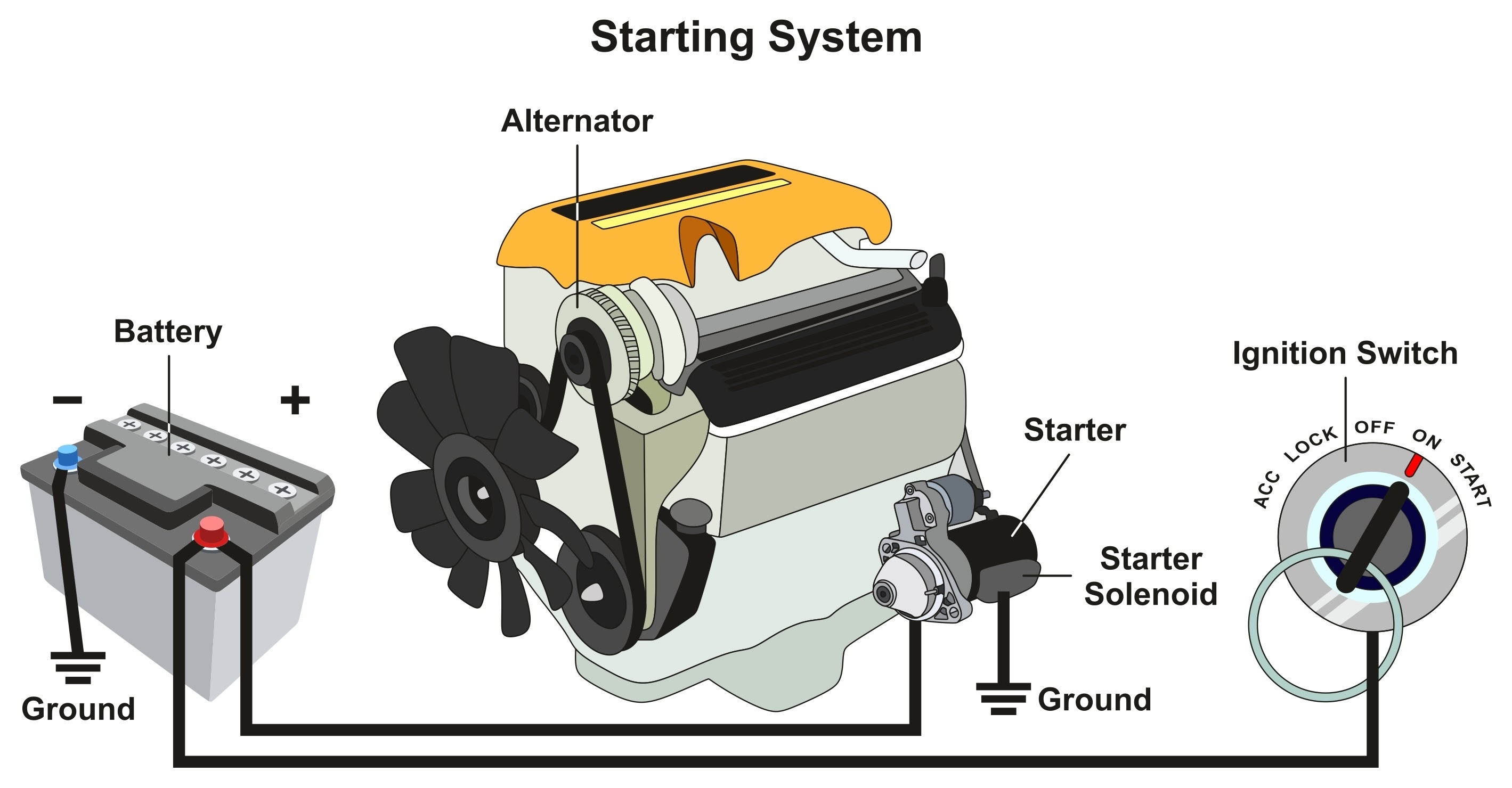
Basic Automotive Electrician Skills SP 090914-17
Programme Overview
Basic Automotive Electrician Skills Programme (merSETA SP 090914-17)
The Basic Automotive Electrician Skills Programme (SP 090914-17) is a merSETA-accredited training path designed for individuals seeking foundational skills in auto-electrical systems. In South Africa, these skills programmes are specifically tailored to provide targeted "unit standards" that allow learners to perform specific functions within a workshop while earning credits toward a full trade qualification.
Programme Overview
This foundational programme introduces learners to the core mechanics of vehicle electrical systems. It covers the installation, testing, and maintenance of basic electrical wiring and components. Key focuses
- Include understanding electrical theory (Ohm’s Law)
- Using hand and power tools, and correctly identifying components like batteries and starters.
- Remove, Fit, Assemble, and Repair Automobile Auxiliary Harnesses: Focused on vehicle wiring, this course teaches safe removal, installation, and repair of auxiliary harnesses. Learners practice using tools for wire testing, splicing, and insulation, read wiring diagrams, and assemble custom harnesses. Safety protocols and troubleshooting techniques for circuit continuity and faults are integral components.
Duration:
- Typically ranges from 3 to 6 months. Note
Qualification:
- Skills Programme (NQF Level 2/3 Aligned). Successful learners receive a merSETA Statement of Results (SoR), which provides credits toward the full NQF Level 4 Occupational Certificate: Automotive Electrician.
Duration
3 to 6 months.
Qualification
Qualification Skills Programme (NQF Level 2/3 Aligned)
Entry Requirements
Requirements
To enroll in this South African skills programme, candidates must generally meet the following criteria:
- Academic: Minimum of Grade 9 or Grade 10 with passes in Mathematics and Science (or NQF Level 1 equivalent).
- Physical Traits: Good hand-eye coordination, normal color vision (for identifying colored wiring), and physical stamina for workshop environments.
- Workshop Access: Often requires access to an accredited workplace where practical "logbook" tasks can be signed off by a qualified artisan.
Career Outcomes
Potential Career Paths:
Career Outcomes
Graduates with these basic skills can enter the workforce in junior or supporting roles within the automotive sector
- Junior Auto-Electrical Assistant: Assisting senior artisans with battery testing, wiring repairs, and component removal.
- Component Fitter: Installing auxiliary equipment such as radios, alarm systems, and basic lighting.
- Bench Worker: Specializing in the basic stripping and cleaning of alternators and starter motors for repair.
- Workshop Assistant: General workshop support with a focus on tool care and safety compliance.
Interested in this Programme?
Need Help Deciding?
- Free consultation
- merSETA funding support
- Career guidance
- Facility tours available
Related Programmes
You May Also Be Interested In
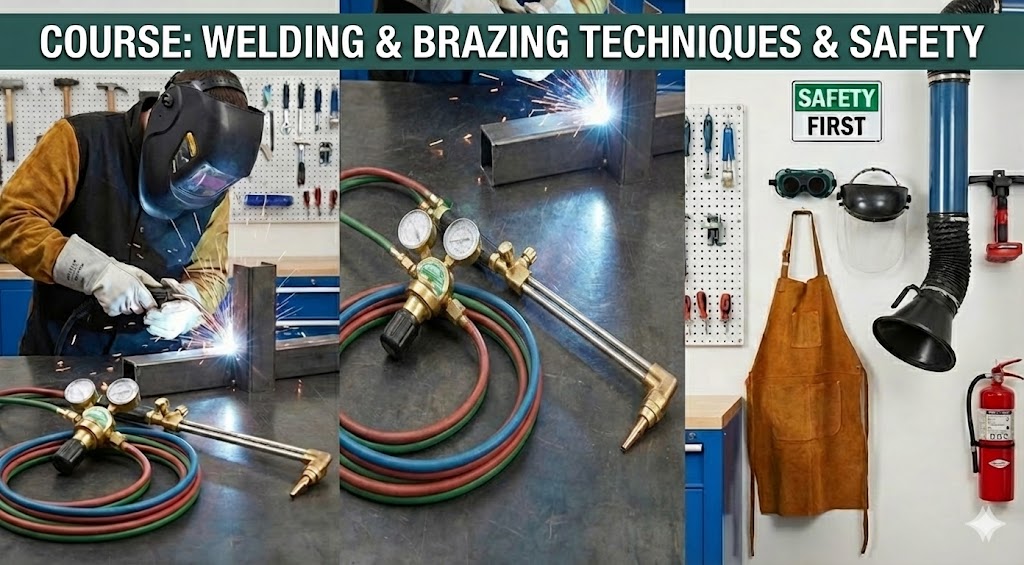
Fuse and Cut Metals
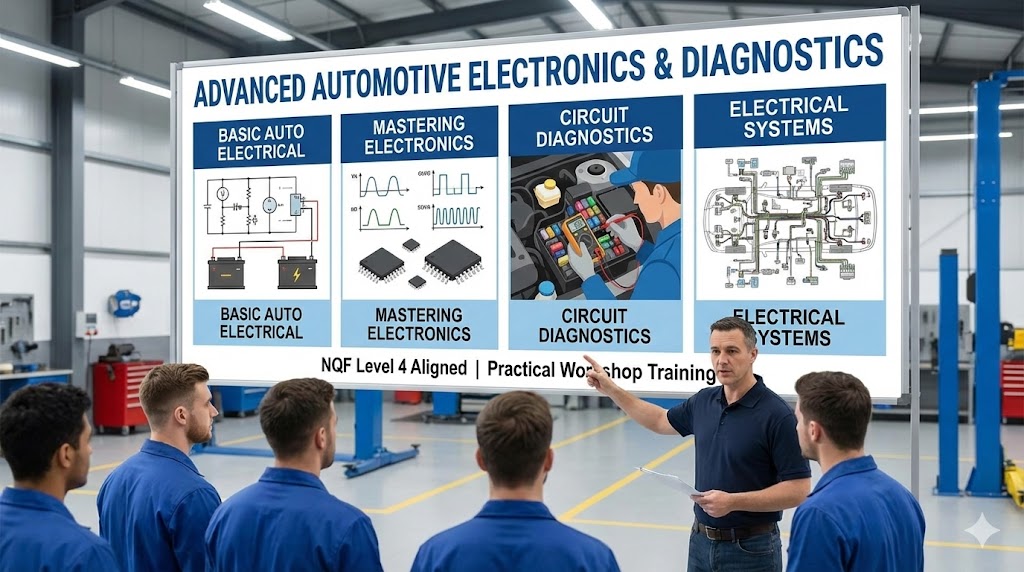
Automotive Electrical: Automotive Electrical & Electronics Systems