Fuse and Cut Metals
Programme Overview
Fuse and Cut Metals
Master the art and science of thermal joining in this comprehensive course on Welding, Brazing, From industrial power of Oxy-Acetylene and Arc welding, you will gain hands-on expertise in flame adjustment, joint geometry, and equipment maintenance. With a rigorous focus on industry-standard safety and hazard prevention, this program equips you with the technical skills needed to deliver professional-grade results in any workshop environment.
Course Objectives: Fundamental & Advanced Joining Techniques
Upon successful completion of this course, participants will be able to:
- Implement Comprehensive Safety Protocols: Correctly select and use Personal Protection Equipment (PPE), identify hazards like UV/Infrared radiation, and manage workshop risks such as sparks, gas leaks, and toxic fumes.
- Master Oxy-Acetylene Systems: Set up, ignite, and shut down gas welding equipment, including the precise adjustment of neutral, oxidizing, and carburizing flames for various applications.
- Execute Professional Weld Joints: Differentiate between and produce high-quality Butt, Fillet, and Lap joints, ensuring proper edge preparation and penetration for structural integrity.
- Operate Arc Welding Circuits: Establish and maintain a stable welding arc by understanding electrical components, current flow, and the relationship between arc gap and electrode diameter.
- Maintain and Troubleshoot Equipment: Diagnose and resolve equipment issues, such as "creeping" pressure regulators, backfires in torches, and oxidized soldering tips.
- Apply Chemical Fluxes Correctly: Determine the appropriate use of fluxes and pastes for brazing and soldering while ensuring proper ventilation and residue removal.
What You Will Learn to Do:
- Select the correct tools and gas pressures for specific material thicknesses.
- Maintain equipment, from cleaning soldering tips to replacing "creeping" regulators.
- Execute high-quality joins while identifying defects like sustained backfires.
- Protect yourself and others from radiation, toxic fumes, and high-temperature slag
Duration
3 Days
Qualification
this curriculum typically leads to a Certificate of Competency or serves as a foundational module toward a National Trade Qualification.
Entry Requirements
Requirements
- Minimum Grade: Grade 9 or Grade 10 certificate.
- Mathematics & Science: A basic understanding of Mathematics and Physical Science is highly recommended. You will need this to calculate gas pressures, understand electrical circuits, and measure joint geometries.
- Language Proficiency: Ability to read and write in English, as most safety manuals, South African National Standards (SANS) codes, and Material Safety Data Sheets (MSDS) are provided in English.
Career Outcomes
Potential Career Paths:
Potential Career Paths & Job Roles
The skills learned in this course are highly transferable across multiple sectors
Potential Job Roles
- Industrial & Construction: Pipefitter, Structural Welder, Boilermaker, Maintenance Technician.
- Manufacturing Production: Welder, Automotive Fabricator, Tool and Die Maker.
- Specialized Trades HVAC Technician, Plumber (Gas & Brazing specialist).
- Safety & Oversight, Welding Inspector, HSE Officer (Workshop Safety), Quality Control (QC) Analyst.
Interested in this Programme?
Need Help Deciding?
- Free consultation
- merSETA funding support
- Career guidance
- Facility tours available
Related Programmes
You May Also Be Interested In
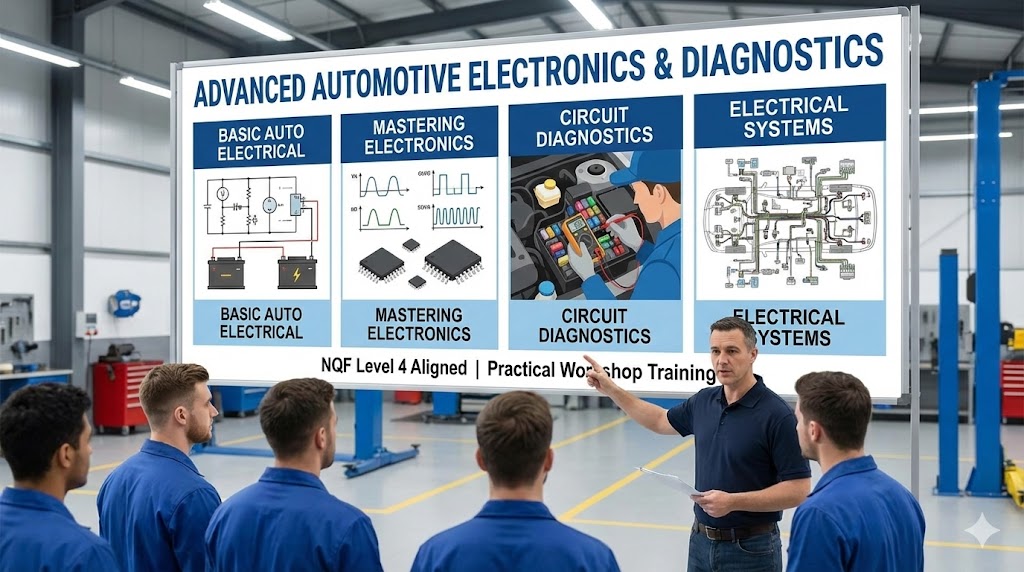
Automotive Electrical: Automotive Electrical & Electronics Systems
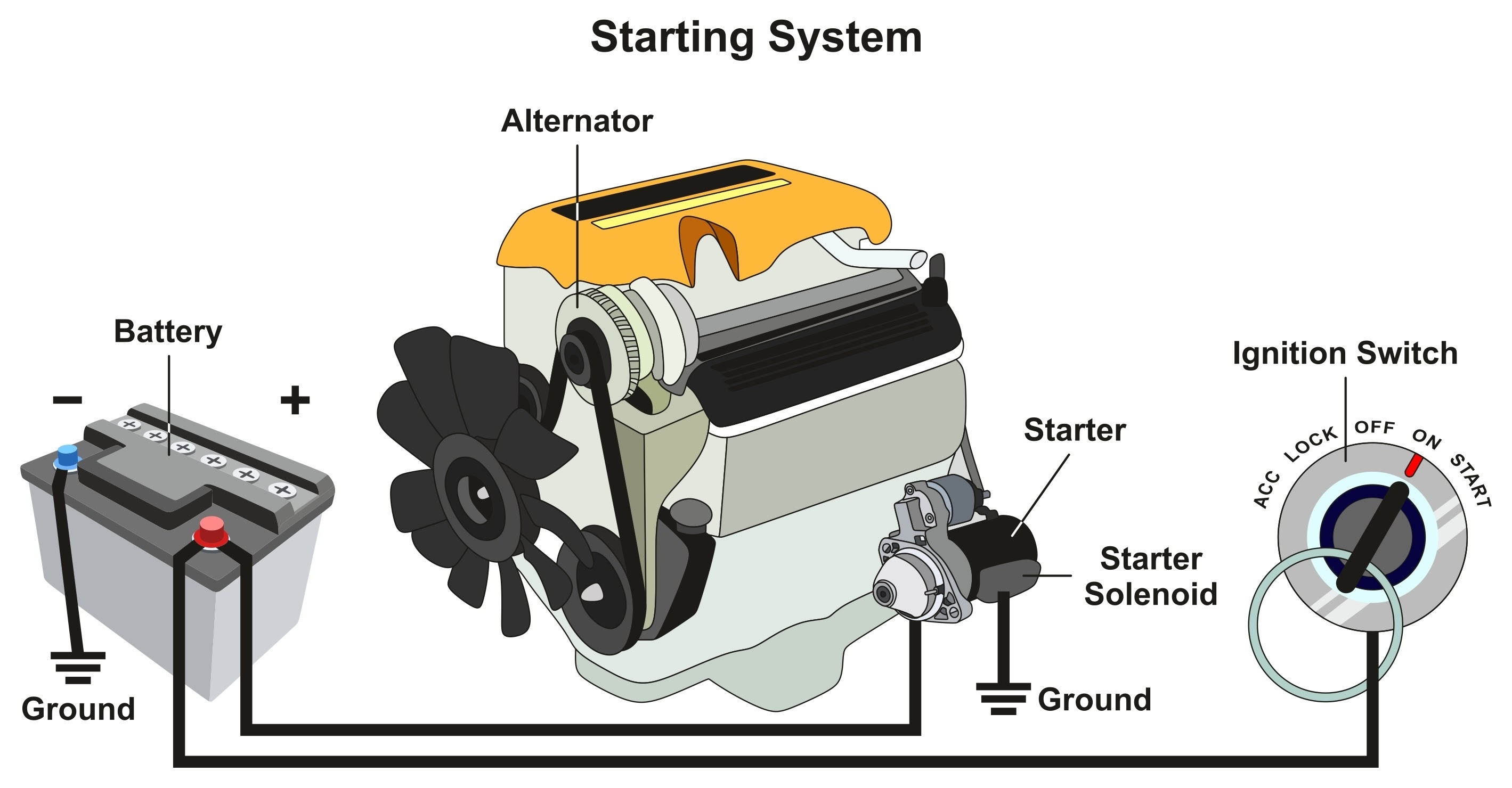
Basic Mechanic: Introduction to Motor Mechanics & Systems