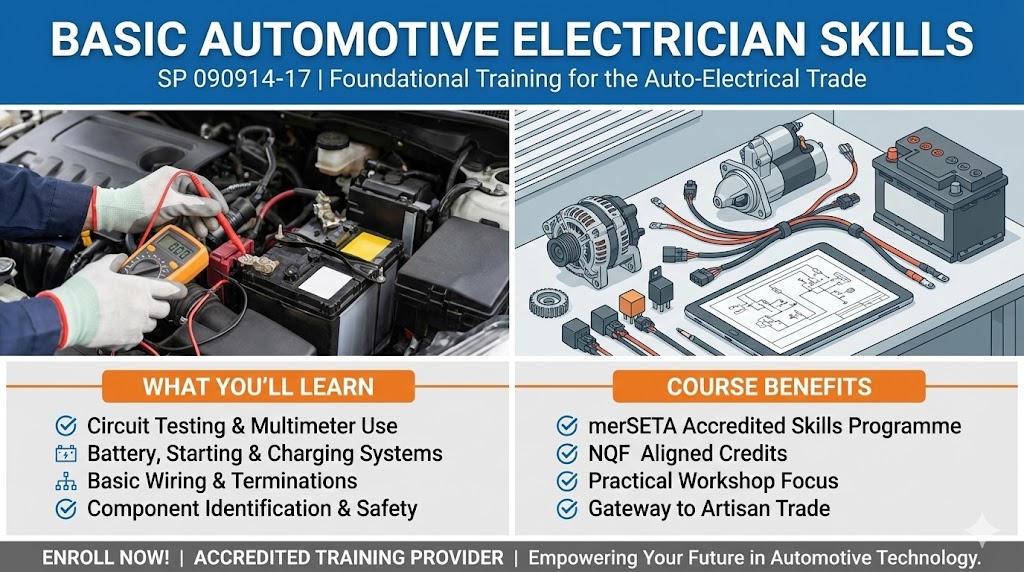
Automotive Electrical: Automotive Electrical & Electronics Systems
Programme Overview
Automotive Electrical: Automotive Electrical & Electronics Systems
This course moves beyond simple wiring repairs. It is a deep dive into the "nervous system" of the modern automobile. Learners start with foundational laws of electricity (voltage, current, resistance) before progressing to complex vehicle networks (CAN Bus), sensor technology, actuator control, and Electronic Control Unit (ECU) operation.
This comprehensive program is designed to bridge the gap between basic electrical theory and the complex realities of modern vehicle diagnostics. It integrates fundamental "Basic Auto Electrical and Electronics" with high-level training aimed at "Mastering Automotive Electronics." The course places a heavy emphasis on practical "Automotive Electrical Circuit Diagnostics," ensuring learners can troubleshoot sophisticated "Automotive Electrical Systems" found in today’s computerized vehicles.
Core modules include:
- Fundamentals: Understanding batteries, starting, and charging systems.
- Mastering Electronics: Deep dives into sensors, inputs, outputs, and ECU logic.
- Advanced Diagnostics: Using multimeters, oscilloscopes, and professional scan tools to interpret live data and identify circuit faults without "parts-swapping."
- Total Systems Approach: Understanding how electrical systems integrate with engine performance, safety systems (ABS/Airbags), and comfort features.
Duration
Duration: 6 to 12 months
Qualification
NQF Level 4
Entry Requirements
Due to the technical nature of electronics, the entry requirements are generally higher than basic mechanical courses:
- Academic: Minimum Grade 10 or 11 with passes in Mathematics and Physical Science (essential for understanding electrical principles like Ohm's Law).
- Prior Knowledge: While not always mandatory, a basic understanding of vehicle mechanics or previous workshop experience is highly beneficial.
- Aptitude: Strong analytical and problem-solving skills are crucial for diagnostics.
Career Outcomes
Potential Career Paths:
The automotive industry is facing a massive shortage of skilled electrical technicians. Graduates are highly sought after for roles such as:
- Specialized Auto Electrician: Focusing purely on electrical and electronic repairs.
- Diagnostic Technician: The "go-to" expert in a workshop for solving complex, hard-to-find faults that regular mechanics cannot fix.
- Aftermarket Specialist: Installing high-end audio, security, and tracking systems.
- Hybrid/EV Trainee: The foundational electronics knowledge gained here is essential for transitioning into electric vehicle maintenance.
Interested in this Programme?
Need Help Deciding?
- Free consultation
- merSETA funding support
- Career guidance
- Facility tours available
Related Programmes
You May Also Be Interested In
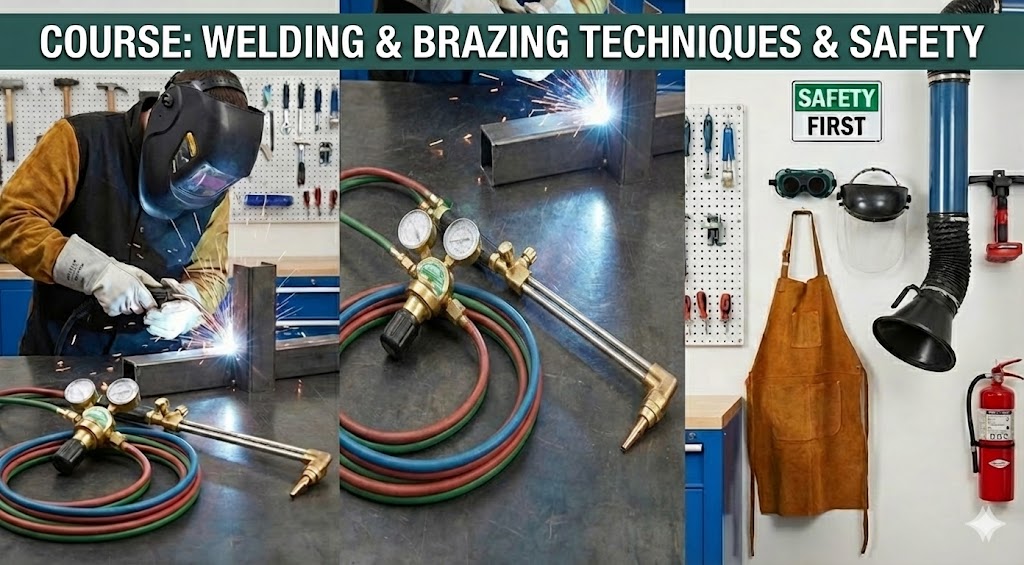
Fuse and Cut Metals
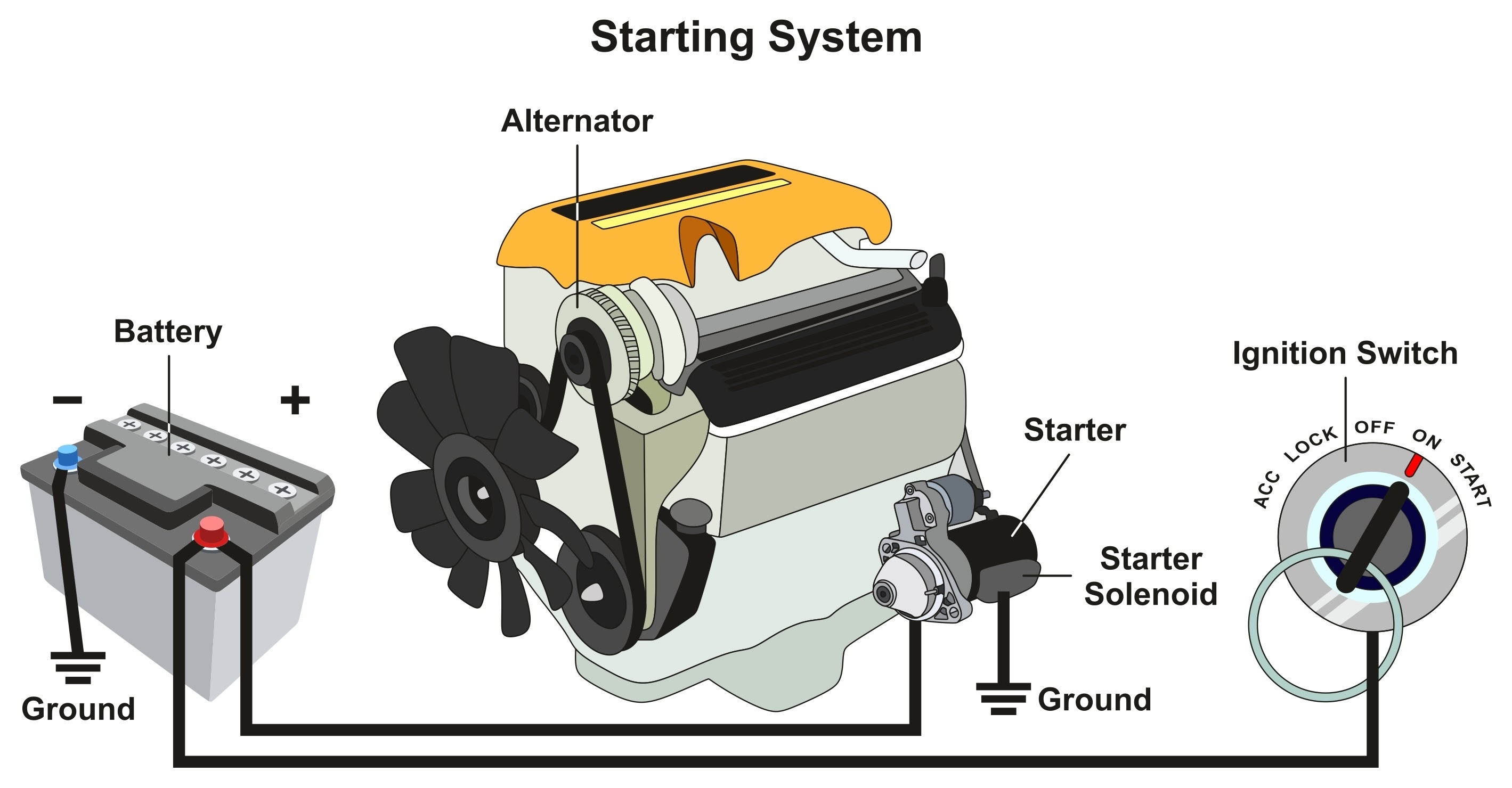
Basic Mechanic: Introduction to Motor Mechanics & Systems